

Processed mirrors have become an integral part of modern interior design and various industrial applications. As a supplier of processed mirrors, I have witnessed firsthand the numerous advantages that these specialized mirrors offer. In this blog post, I will delve into the key benefits of processed mirrors, exploring how they enhance aesthetics, functionality, and safety in different settings.
Aesthetic Appeal
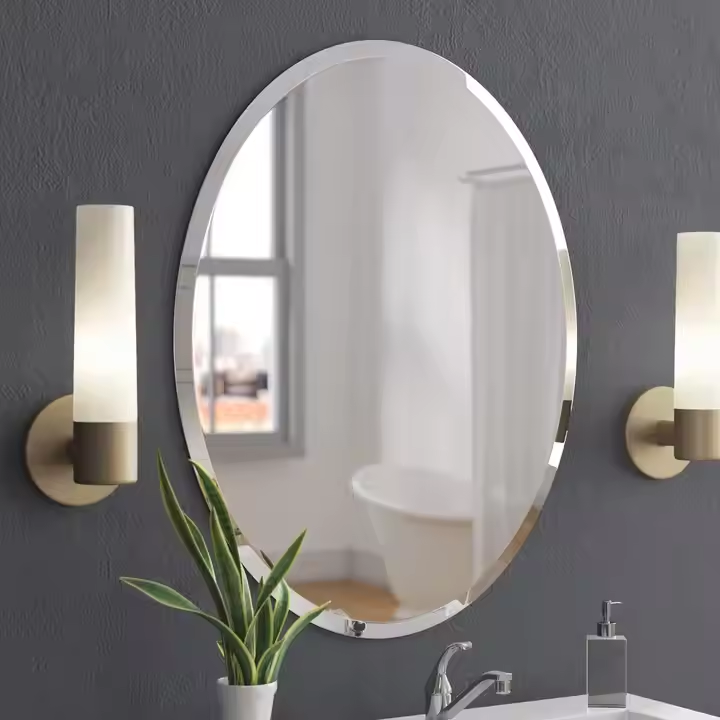
One of the most significant advantages of processed mirrors is their ability to elevate the aesthetic appeal of any space. Unlike standard mirrors, processed mirrors can be customized in terms of shape, size, and finish, allowing for greater creativity and personalization in design. For instance, Frameless Mirror In Bathroom offers a sleek and modern look that complements contemporary bathroom designs. The absence of a frame gives the mirror a clean and minimalist appearance, making it a popular choice for those who prefer a streamlined aesthetic.
In addition to frameless mirrors, there are also a variety of other processed mirror shapes available, such as Teardrop Bathroom Mirror and Oval Beveled Bathroom Mirror. These unique shapes add a touch of elegance and sophistication to any bathroom, creating a focal point that draws the eye. The beveled edges of the oval mirror, for example, reflect light in a way that enhances the overall visual impact of the mirror, making it a stunning addition to any space.
Furthermore, processed mirrors can be finished with different coatings to achieve a specific look or effect. For example, a tinted mirror can add a touch of color and privacy to a room, while a mirrored wall can create the illusion of a larger space. These finishes not only enhance the aesthetic appeal of the mirror but also allow for greater flexibility in design, enabling designers to create unique and personalized spaces that meet the specific needs and preferences of their clients.
Functionality
In addition to their aesthetic appeal, processed mirrors also offer a range of functional benefits. One of the primary functions of a mirror is to reflect light, and processed mirrors can be designed to optimize this function. For example, a high-quality mirror with a smooth and reflective surface can enhance the brightness and clarity of a room, making it appear more spacious and inviting. This is particularly beneficial in small or dark rooms, where natural light may be limited.
Processed mirrors can also be used to create unique visual effects and illusions. For instance, a concave mirror can create a magnified image, while a convex mirror can provide a wider field of view. These types of mirrors are commonly used in security applications, such as in stores and parking lots, to monitor large areas and prevent theft. In addition, mirrors can be used in optical instruments, such as telescopes and microscopes, to magnify and focus light, enabling scientists and researchers to study the world around us in greater detail.
Another functional benefit of processed mirrors is their durability and resistance to damage. Unlike standard mirrors, which can be easily scratched or broken, processed mirrors are often made with high-quality materials and advanced manufacturing techniques that make them more resistant to wear and tear. For example, a tempered glass mirror is stronger and more shatter-resistant than a regular glass mirror, making it a safer choice for use in high-traffic areas or in homes with children or pets.
Safety
Safety is a top priority when it comes to any type of mirror, and processed mirrors offer several advantages in this regard. One of the primary safety features of processed mirrors is their shatter-resistant design. As mentioned earlier, tempered glass mirrors are stronger and more shatter-resistant than regular glass mirrors, which means that they are less likely to break into sharp pieces if they are damaged. This is particularly important in areas where people are likely to be in close proximity to the mirror, such as in bathrooms or dressing rooms.
In addition to their shatter-resistant design, processed mirrors can also be treated with anti-microbial coatings to prevent the growth of bacteria and other harmful microorganisms. This is especially beneficial in public spaces, such as hospitals, schools, and restaurants, where hygiene is a major concern. The anti-microbial coating helps to keep the mirror clean and hygienic, reducing the risk of infection and disease transmission.
Furthermore, processed mirrors can be designed with safety features such as rounded edges and corners to prevent injuries. This is particularly important in areas where people are likely to bump into the mirror, such as in hallways or stairwells. The rounded edges and corners help to reduce the risk of cuts and bruises, making the mirror a safer choice for use in any environment.
Conclusion
In conclusion, processed mirrors offer a range of advantages that make them a popular choice for both residential and commercial applications. From their aesthetic appeal and functionality to their safety features and durability, processed mirrors provide a versatile and practical solution for enhancing the look and feel of any space. As a supplier of processed mirrors, I am committed to providing high-quality products that meet the specific needs and preferences of my customers. Whether you are looking for a frameless mirror for your bathroom, a unique-shaped mirror for your living room, or a shatter-resistant mirror for a public space, I have the expertise and experience to help you find the perfect mirror for your project.
If you are interested in learning more about our processed mirrors or would like to discuss your specific requirements, please do not hesitate to contact us. We would be happy to provide you with more information and answer any questions you may have. Let's work together to create a space that is both beautiful and functional with our high-quality processed mirrors.

References
- Interior Design Magazine: "The Latest Trends in Mirror Design"
- Architectural Digest: "How to Use Mirrors to Enhance Your Space"
- Safety Standards for Mirrors: ANSI Z97.1 - 2015


