

Hey there! As a tempered glass supplier, I've seen firsthand how this amazing material can transform greenhouse environments. In this blog, I'll share with you all the ways tempered glass benefits greenhouse plants.
1. Superior Light Transmission
One of the most significant advantages of using tempered glass in greenhouses is its excellent light transmission. Unlike some other materials, tempered glass allows a high percentage of sunlight to pass through. This is crucial for plants because sunlight is their primary source of energy for photosynthesis.
Photosynthesis is the process by which plants convert light energy into chemical energy, which they use to grow, develop, and produce fruits and flowers. With tempered glass, more sunlight reaches the plants, promoting stronger and healthier growth. The glass also distributes light evenly across the greenhouse, reducing the risk of uneven growth patterns that can occur when some areas receive more light than others.
2. Thermal Insulation
Tempered glass offers great thermal insulation properties. It helps to keep the greenhouse warm during cold weather and cool during hot weather. This stable temperature environment is essential for the well - being of greenhouse plants.
During the winter, the glass traps heat inside the greenhouse. The sun's rays enter through the glass and heat up the air and soil inside. The tempered glass acts as a barrier, preventing the heat from escaping easily. This means that plants are protected from freezing temperatures and can continue to grow at a steady pace.
In the summer, the glass can also reflect some of the sun's heat, preventing the greenhouse from becoming too hot. Overheating can stress plants, causing wilting, reduced growth, and even death. By maintaining a more moderate temperature, tempered glass creates a more favorable growing environment year - round.
3. Durability and Safety
Greenhouses are exposed to various environmental conditions, including strong winds, hail, and heavy rain. Tempered glass is incredibly durable and can withstand these harsh elements. It is much stronger than regular glass, making it less likely to break.
When tempered glass does break, it shatters into small, rounded pieces instead of large, sharp shards. This is a significant safety feature, especially in a greenhouse where people are often working. If a pane of glass breaks due to a sudden impact, the risk of injury is greatly reduced.
4. Resistance to Scratches and Chemicals
Greenhouse plants require regular care, which may involve the use of fertilizers, pesticides, and other chemicals. Tempered glass is resistant to scratches and chemicals, so it won't get damaged easily during these maintenance activities.
Scratches on the glass can reduce light transmission over time, which is not good for the plants. With tempered glass, you don't have to worry about the glass getting scratched when you're moving equipment or performing routine tasks in the greenhouse. And its chemical resistance ensures that the glass won't deteriorate when it comes into contact with various substances used in plant care.
5. Different Types of Tempered Glass for Specific Needs
We offer a variety of tempered glass options to meet different greenhouse requirements.
Curved Tempered Glass is a great choice for greenhouses with unique architectural designs. The curved shape can enhance the aesthetic appeal of the greenhouse while still providing all the benefits of tempered glass. It can also help to distribute light and heat more effectively, as the curved surface can capture and reflect sunlight in different ways.
[Mentioned here for more context] Tempered Laminated Glass is another option. This type of glass consists of two or more layers of tempered glass with a layer of plastic in between. It offers even greater strength and safety. In case of breakage, the plastic layer holds the glass pieces together, preventing them from falling and causing damage. It's an ideal choice for areas prone to high winds or where extra security is needed.
Tinted Tempered Glass can be used to control the amount of sunlight entering the greenhouse. The tint can reduce the intensity of sunlight, which is beneficial for plants that are sensitive to excessive light. It can also help to keep the greenhouse cooler in hot climates.
6. Long - Term Cost - Effectiveness
While the initial cost of tempered glass may be higher than some other greenhouse glazing materials, it offers long - term cost savings. Its durability means that you won't have to replace the glass as often. You'll also save on energy costs due to its excellent thermal insulation properties.
In addition, because tempered glass promotes healthy plant growth, you're likely to see better yields from your greenhouse crops. This can translate into increased revenue for commercial growers.
How to Choose the Right Tempered Glass for Your Greenhouse
When choosing tempered glass for your greenhouse, there are a few factors to consider. First, think about the climate in your area. If you live in a region with extreme temperatures, you may want to opt for a glass with better thermal insulation properties.
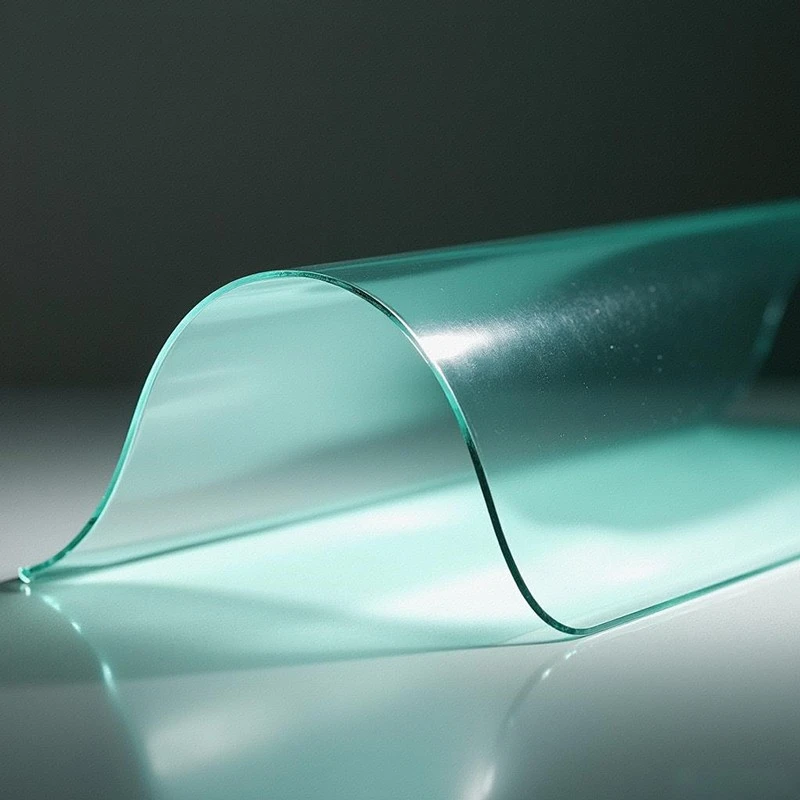
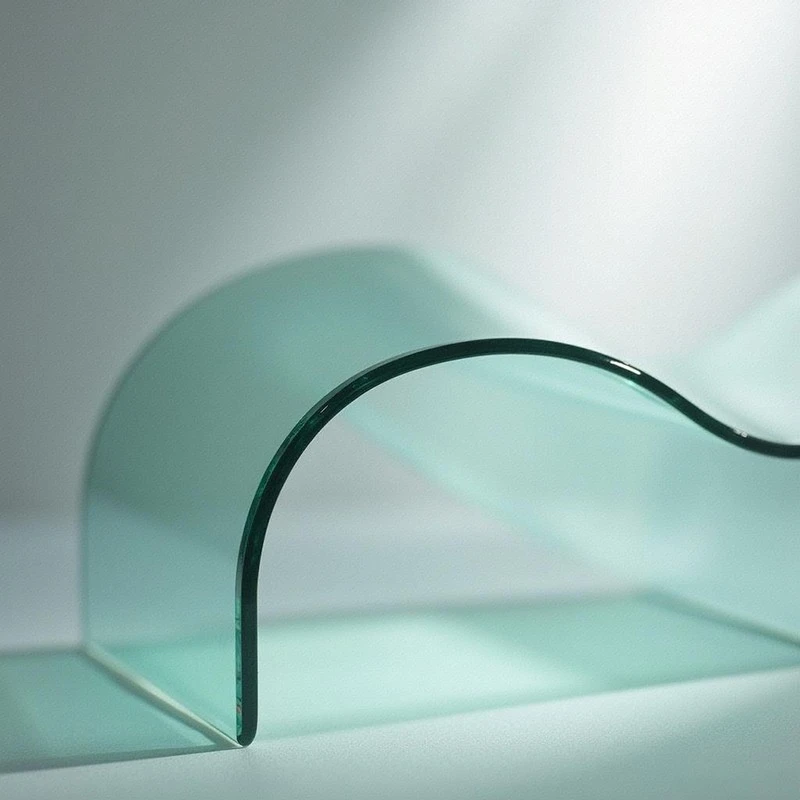
The size and design of your greenhouse also matter. For larger greenhouses, you may need thicker glass to ensure stability. And if you have a unique design, curved tempered glass could be the way to go.
Also, consider the types of plants you're growing. If you're growing light - sensitive plants, tinted tempered glass might be a good choice.
Conclusion
In conclusion, tempered glass is a fantastic option for greenhouses. It provides superior light transmission, excellent thermal insulation, durability, and resistance to scratches and chemicals. With different types of tempered glass available, you can customize your greenhouse to meet your specific needs.
If you're interested in learning more about our tempered glass products or want to discuss your greenhouse project, don't hesitate to get in touch. We're here to help you make the best choice for your plants and your business. Whether you're a small - scale hobbyist or a large - scale commercial grower, we have the right tempered glass solution for you. Let's work together to create the perfect greenhouse environment for your plants!
References
- Smith, J. (2020). Greenhouse Glazing Materials: A Comparative Analysis. Journal of Horticultural Science.
- Brown, A. (2019). The Impact of Light Transmission on Plant Growth in Greenhouses. Plant Biology Today.


