

Tempered glass is a type of safety glass that has been treated through a thermal or chemical process to increase its strength compared to regular glass. It is widely used in various applications, from automotive windows to shower doors. But can it be used for mirrors? In this blog post, I'll explore this question in detail, drawing on my experience as a tempered glass supplier.
The Basics of Tempered Glass
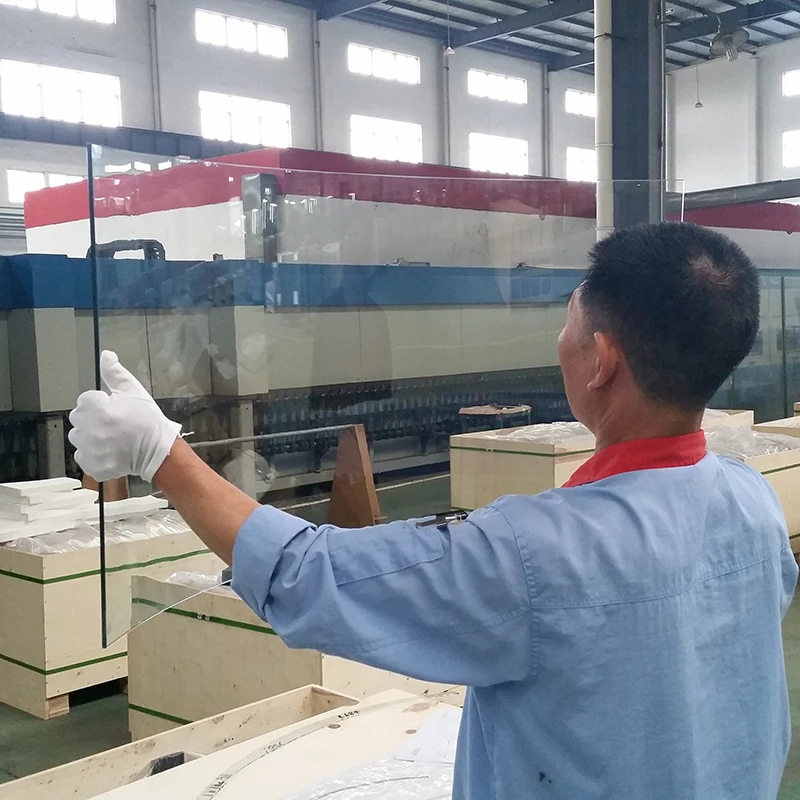
Before delving into its suitability for mirrors, let's understand what tempered glass is. Tempered glass is created by heating regular glass to a high temperature and then rapidly cooling it. This process creates internal stresses within the glass, which results in a product that is up to five times stronger than untreated glass. When tempered glass breaks, it shatters into small, blunt pieces rather than sharp shards, reducing the risk of injury.
Properties of Mirrors
Mirrors are made by applying a thin layer of reflective material, typically aluminum or silver, to the back of a glass substrate. The quality of a mirror depends on several factors, including the flatness of the glass, its clarity, and the quality of the reflective coating. A good mirror should provide a clear, undistorted reflection with minimal color distortion.
Advantages of Using Tempered Glass for Mirrors
There are several reasons why tempered glass can be an excellent choice for mirrors:
Safety
As mentioned earlier, tempered glass is a safety glass. In environments where there is a risk of the mirror being accidentally struck or broken, such as in public restrooms, gyms, or children's rooms, using tempered glass can significantly reduce the risk of injury. If the mirror does break, the small, dull pieces are less likely to cause serious cuts or punctures.
Durability
Tempered glass is more resistant to scratches, impacts, and thermal stress compared to regular glass. This means that a mirror made from tempered glass is likely to last longer and maintain its appearance over time. It can withstand the rigors of daily use, making it suitable for high - traffic areas.
Versatility
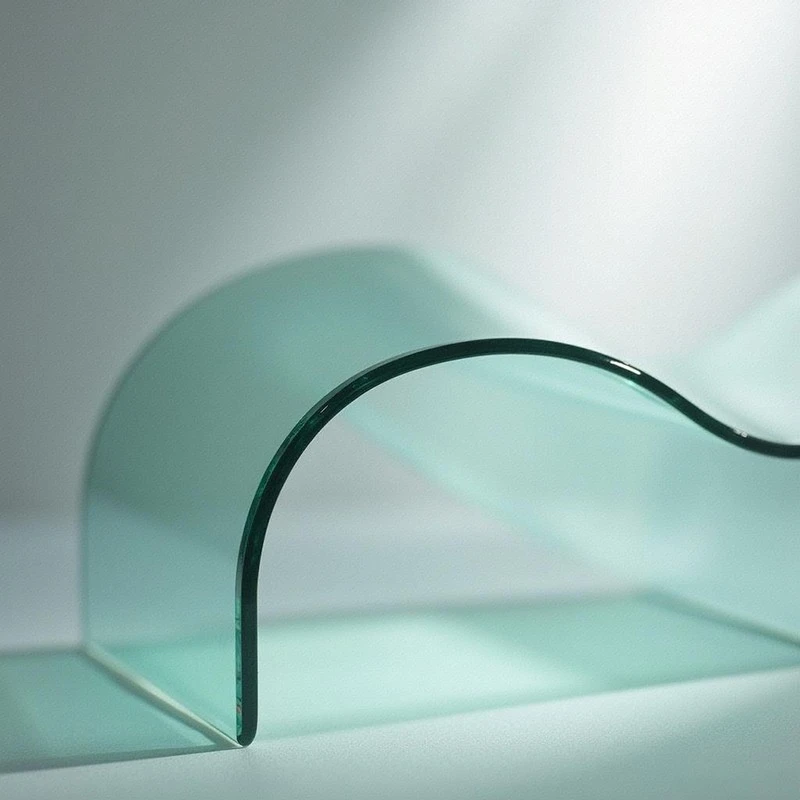
Tempered glass can be produced in a variety of shapes and sizes. You can get Curved Tempered Glass for unique design applications, such as in modern architecture or custom - made furniture. This versatility allows for more creative and functional mirror designs.
Challenges of Using Tempered Glass for Mirrors
However, there are also some challenges associated with using tempered glass for mirrors:
Cost
The manufacturing process of tempered glass is more complex and expensive than that of regular glass. This increased cost is passed on to the consumer, making mirrors made from tempered glass generally more expensive than those made from regular glass.
Reflective Coating
Applying a reflective coating to tempered glass can be more challenging. The internal stresses in tempered glass can sometimes cause the coating to crack or delaminate over time, especially if the glass is exposed to extreme temperature changes or mechanical stress. This can affect the quality of the reflection and the overall appearance of the mirror.
Optical Distortion
Although tempered glass is generally flat, the tempering process can introduce some minor optical distortions. These distortions are usually not noticeable in small mirrors, but they can become more apparent in large - scale mirrors, where a perfectly clear and undistorted reflection is crucial.
Quality Considerations
If you decide to use tempered glass for your mirrors, it's essential to ensure that you are getting high - quality products. Look for Quality Tempered Glass that meets industry standards. A reliable supplier will be able to provide you with information about the glass's strength, clarity, and the quality of the reflective coating.
Applications of Tempered Glass Mirrors
Despite the challenges, tempered glass mirrors have found their place in many applications:
Commercial Spaces
In commercial settings such as hotels, restaurants, and retail stores, tempered glass mirrors are a popular choice. They add a touch of elegance while ensuring the safety of customers. For example, in a hotel lobby, a large, stylish tempered glass mirror can create a sense of space and luxury.
Residential Use
In homes, tempered glass mirrors are commonly used in bathrooms, especially in households with children or elderly individuals. They are also used in home gyms, where the risk of impact is higher.
Automotive Industry
Tempered glass is used for rear - view mirrors in vehicles. Its safety features are crucial in case of an accident, protecting the driver and passengers from sharp glass shards.
Conclusion
In conclusion, tempered glass can be used for mirrors, and it offers several advantages in terms of safety, durability, and versatility. However, it also comes with some challenges, such as cost, coating issues, and potential optical distortions. As a tempered glass supplier, I can help you navigate these considerations and find the best solution for your specific needs.
If you are interested in purchasing tempered glass mirrors or have any questions about our Clear Tempered Glass products, please feel free to reach out. We are committed to providing high - quality products and excellent customer service. Whether you are an architect, interior designer, or a homeowner, we can work with you to create the perfect mirror for your project.
References
- ASTM International. (2018). Standard Specification for Tempered Flat Glass for Safety, for Glazing in Buildings. ASTM C1048 - 18.
- Glass Association of North America. (2020). Understanding Tempered Glass.


